In the Theory of Change series, we break down Giant Leap's impact thesis for each investment and share how we think they're changing the world through tackling our most pressing problems. Read our Starter Guide to Theory of Change for more context.
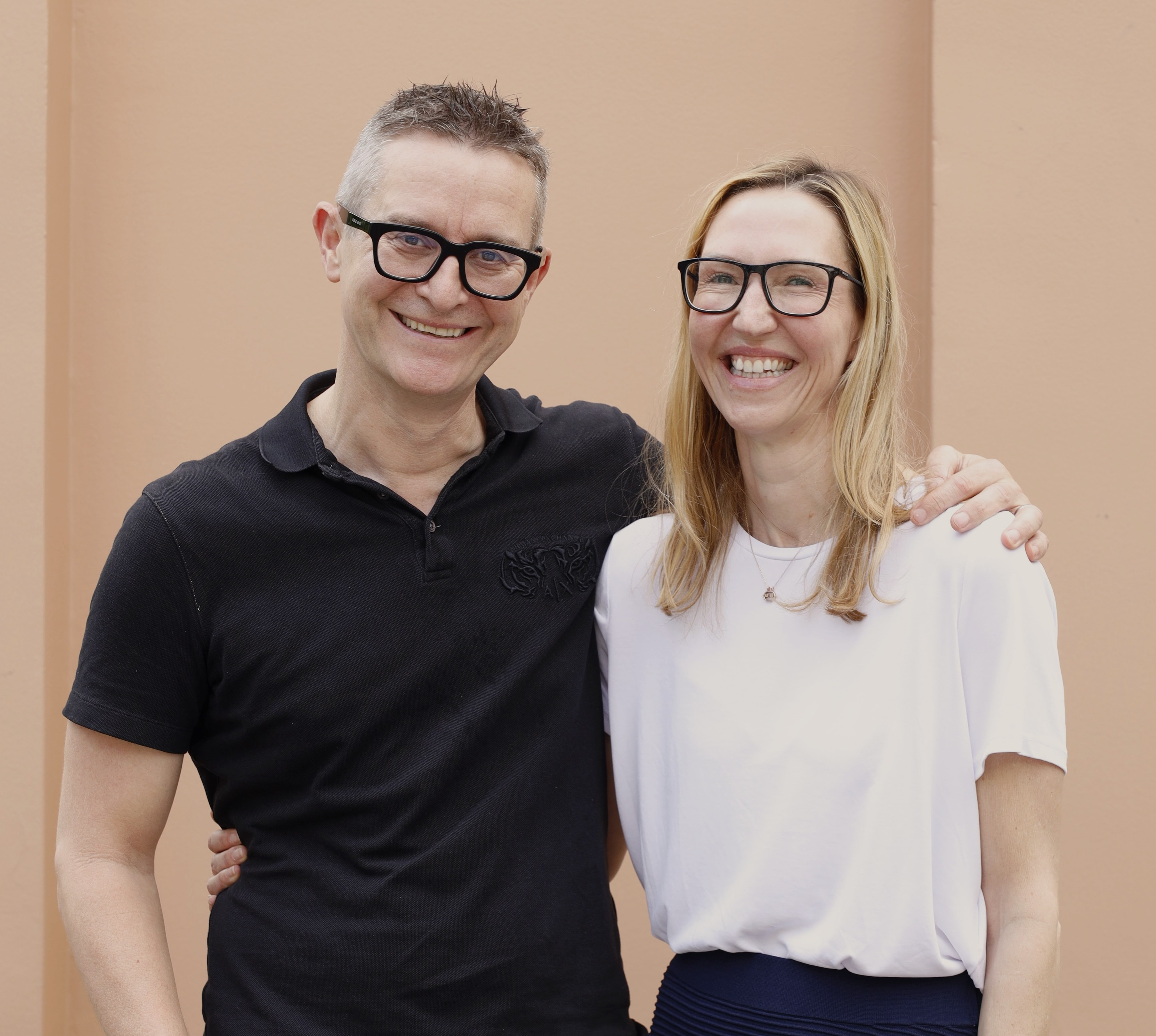
Most people who seek help for alcohol or drug dependence never get it. In Australia alone, 6.6 million people drink at levels that harm their health, and the system built to help them is too expensive and too hard to access. Co-founder Pia Clinton-Tarestad knew this as a health economist. She also knew it as a patient. After completing Clean Slate's own 12-month program herself, she co-founded the business with GP and Addiction Medicine Specialist Dr Chris Davis. Together they built what the existing system couldn't: clinically rigorous, doctor-led detox and recovery care, from home, at a price people can actually access.
A system built on barriers
Alcohol harm is far more pervasive than most people realise. Around 400 million people globally live with alcohol use disorders, according to the World Health Organisation, and that figure doesn't include those dependent on stimulants, cannabis, or other substances. Alcohol alone accounts for approximately 2.6 million deaths each year, close to 5% of all global deaths. The harm extends beyond health: dependence is a recognised driver of family and domestic violence, strongly linked with homelessness, and costs billions annually in lost productivity and absenteeism.
Australia is no exception. 6.6 million people drink at levels that harm their health, and businesses lose an estimated $6 billion annually in lost productivity and absenteeism. However, the system built to help them is fragmented and hard to access. Responsibility for addiction care is split between Commonwealth and state governments, creating complicated pathways and long waits for publicly funded services.
For those who can't wait, or can't access public care at all, private residential treatment is available, but a single 30-day inpatient stay typically costs upwards of $16,000. Most households simply can't absorb that. And even for those who can, residential programs require people to move on-site, meaning anyone with children, a job, or caring responsibilities faces a logistics problem before stigma even enters the picture.
The outcomes from traditional treatment reflect all of this. Between 40 and 60% of people treated for a substance use disorder relapse within the first year. The system treats a crisis well enough to discharge people from it, but offers little infrastructure to keep them well once they leave.
Giant Leap's impact thesis
We backed Clean Slate because it has done something rare: built a genuinely better clinical model and found a commercial path to scale it. Addiction treatment is a large, chronically underserved market. The need has always been there but what's been missing is a model that solves for cost, access, and sustained support at the same time. Clean Slate does. With telehealth now mainstream and private health insurers actively seeking cost-effective alternatives to repeated hospital admissions, the timing is right to take it global.
If Giant Leap supports Clean Slate with values-aligned capital, then Clean Slate will be able to provide evidence-based, doctor-led virtual addiction care that removes the barriers of cost, stigma and access, therefore improving health outcomes for individuals, families and communities, and ultimately reaching one million families.
Impact metrics
- Relapse rate at three months and at twelve months
- Changes in psychological distress at 3 months and 12 months (K10)
- Inpatient days avoided for carers
- Days absent from work avoided during treatment
- Equitable access across geography, gender and marginalised groups
All from home
Clean Slate delivers a fully virtual program: a medically supervised detox followed by structured aftercare, all from home. Every client gets a dedicated nurse from day one, with daily check-ins during detox and regular follow-up contact through recovery.
For many clients, the program is fully funded through their private health insurance, with over 30 insurers now on board including Medibank and Bupa. Government-funded places are also available through select Primary Health Networks.
The results are hard to argue with. Clean Slate has recorded a relapse rate of 7% at three months, with over 80% of clients still actively engaged in treatment. That is a fundamentally better outcome than traditional services at around one fifth of the cost of an inpatient hospital admission. More than 3,000 clients have now completed the program, and Clean Slate is Australia's largest provider of medicated withdrawal services.
Cannabis and stimulant pathways are already live and close to full launch, with opioid and other pathways in active development, each representing a significant expansion of the addressable market.
What's next
Clean Slate has expanded into the UK market, with the same multi-payor model that proved out in Australia being replicated from the ground up.

.JPG)


%20-%20Edited.jpg)